Curriculum Intent
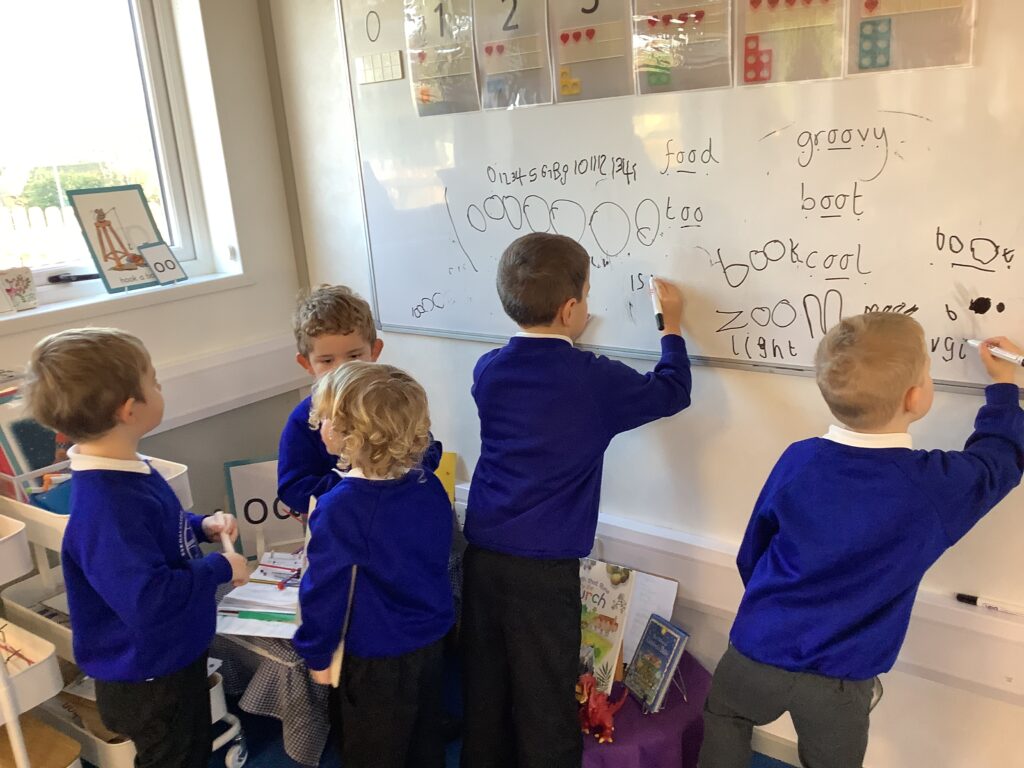
Sleights is a unique, special and inspiring place to be. Our school's curriculum seeks to celebrate the unique place that Sleights is, as well as provide all learners with opportunities to explore and widen their horizons. Our curriculum intentions are rooted in the explorative principles of Early Years practice. Through our school vision, our school environment and experiences, including the curriculum, we will:
- raise aspirations
- nurture spiritual development
- give every the opportunity to succeed
- develop critical thinkers, responding to innate curiosity
- engage the whole school community
- enable children to make links and deepen understanding
- encourage playing and exploration with new and known content
- create a Growth Mindset climate to support all children to have a go and persevere
- support learners to recognise that failure is a step in the learning process
- inspire active learners, who are fascinated and intrinsically motivated to achieve
- be inclusive, driven by the belief that no child will be left behind
- give confidence to children to allow them to choose their own ways to do things
- value diversity and difference in terms of outcomes and opinion.
Curriculum Implementation
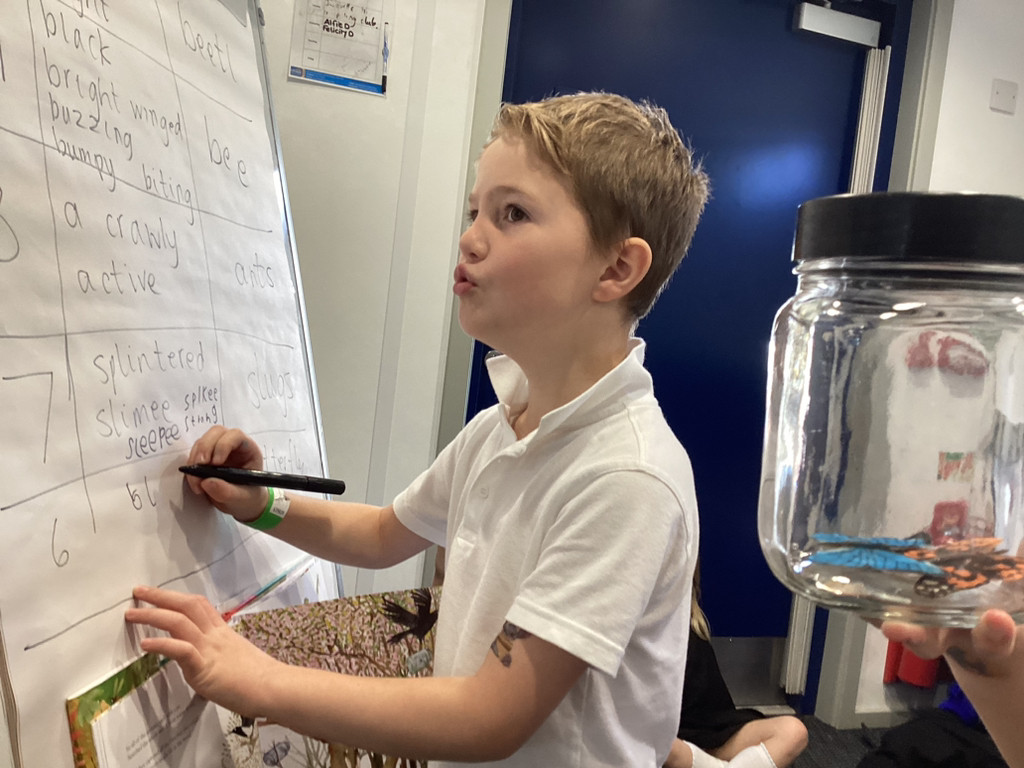
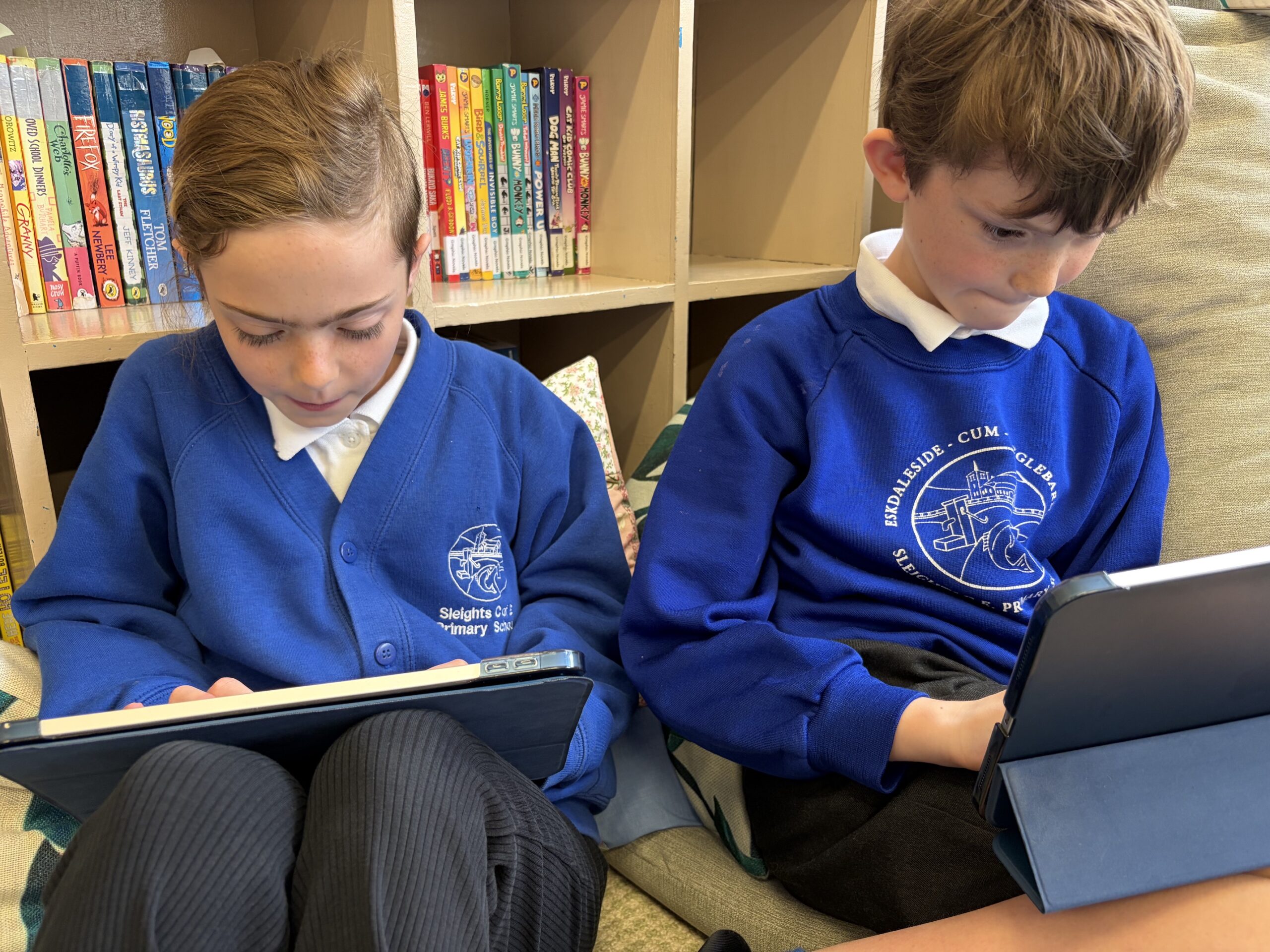
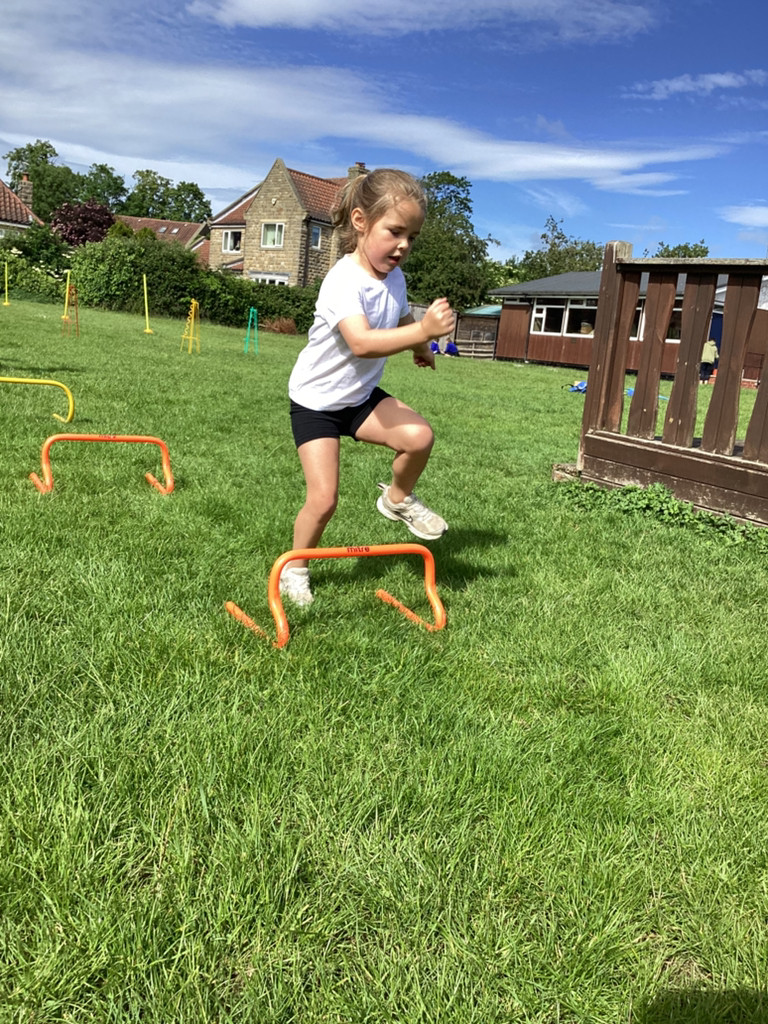
As a result of excellent planning, understanding of children’s starting points and skill progression, implementation is exciting, inspiring, and offers flexibility and dedication to delivering our intentions and principles.
At Sleights, our approach is unique and special to our school and children. With this in mind, the implementation of our curriculum is also unique and special to our individual children and families.
Three core elements underpin the teaching and learning process of our curriculum.
These elements drive the planning process for staff, focusing their lesson intent and implementation. When planning and delivering sessions, staff are asked to consider:
Context – How does this link?
All taught sessions and activities must be placed in context. This may link back to prior learning from a previous lesson, or topic. New learning should also be given a context. This should be a direct link to something that is already known to the children. Learning opportunities should not be tenuous links and should always be placed in context for/with children.
Connections – Which skills are we connecting together?
Learning is never in isolation. At all stages of intent and implementation, children should be taught to make connections with skills. This will support them to deepen their understanding of prior knowledge and make links with new. All connections will clearly support children’s effective acquisition of new skills and development of existing skill progression.
Crucial – What is the key ‘take away’ moment today?
Evidence indicates that children will not take every piece of information from a lesson way with them. Therefore, all staff actively consider what the key ‘take away’ moments are, or ‘crucial’ learning points. This supports children and staff to focus on particular key information which will be placed in context, with clear connections to other curriculum areas.
Curriculum Impact
Our clear intent and implementation statements assert our aspiration for our curriculum. The impact of this is visible through the entire school community.
As a result of our curriculum, the impact includes:
- Motivated and happy learners, with a keen desire and interest in learning and gaining knowledge
- Well established links, made by all members of the school community, across topics and subjects
- High quality work, which represents the progressive skills approach of our curriculum
- Articulate learners who are able to describe and explain their own learning journey.