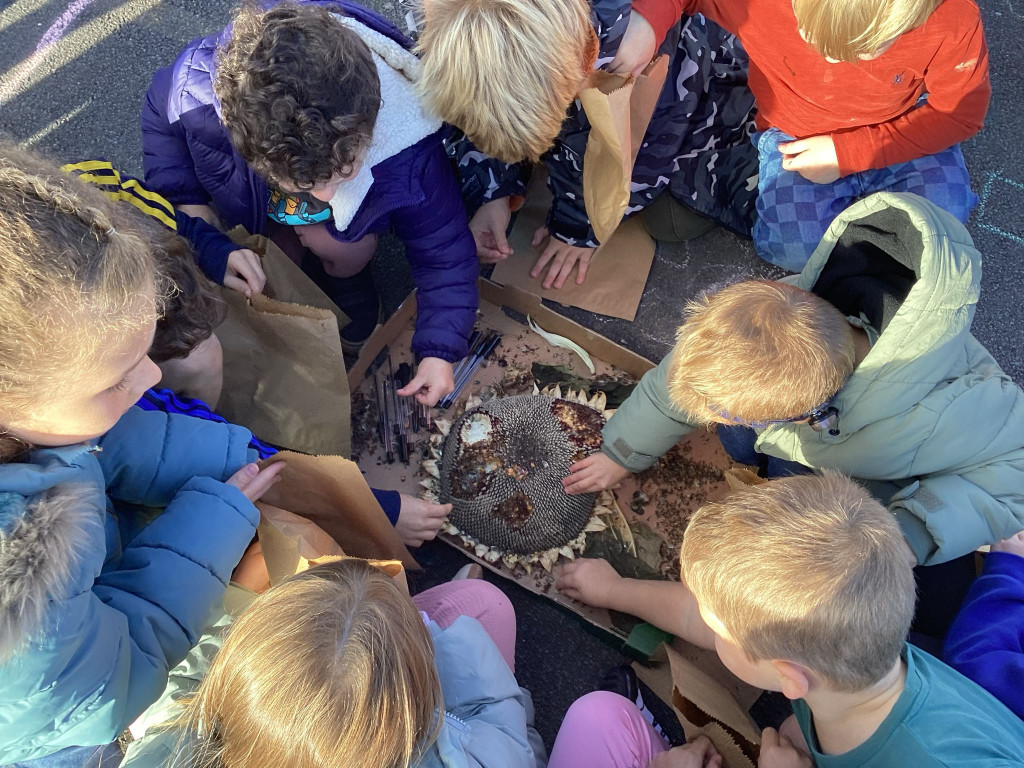
The key aim of the Religious Education at Sleights is to explore big questions about life, in order to find out what people believe and what difference this makes to how they live, so that pupils can make sense of religion and worldviews, reflecting on their own ideas and ways of living.
As a Church school, we consider Religious Education as a core subject in our curriculum.
Children of all faiths and non explore the similarities and differences of worldviews and religions, asking questions, making links and drawing comparisons from the content they learn or investigate.
At Sleights, Religious Education is taught following the North Yorkshire Agreed Syllabus (2024), which combines resources from ‘Understanding Christianity’ materials.
The curriculum leader for Religious Education is: Mrs Walker
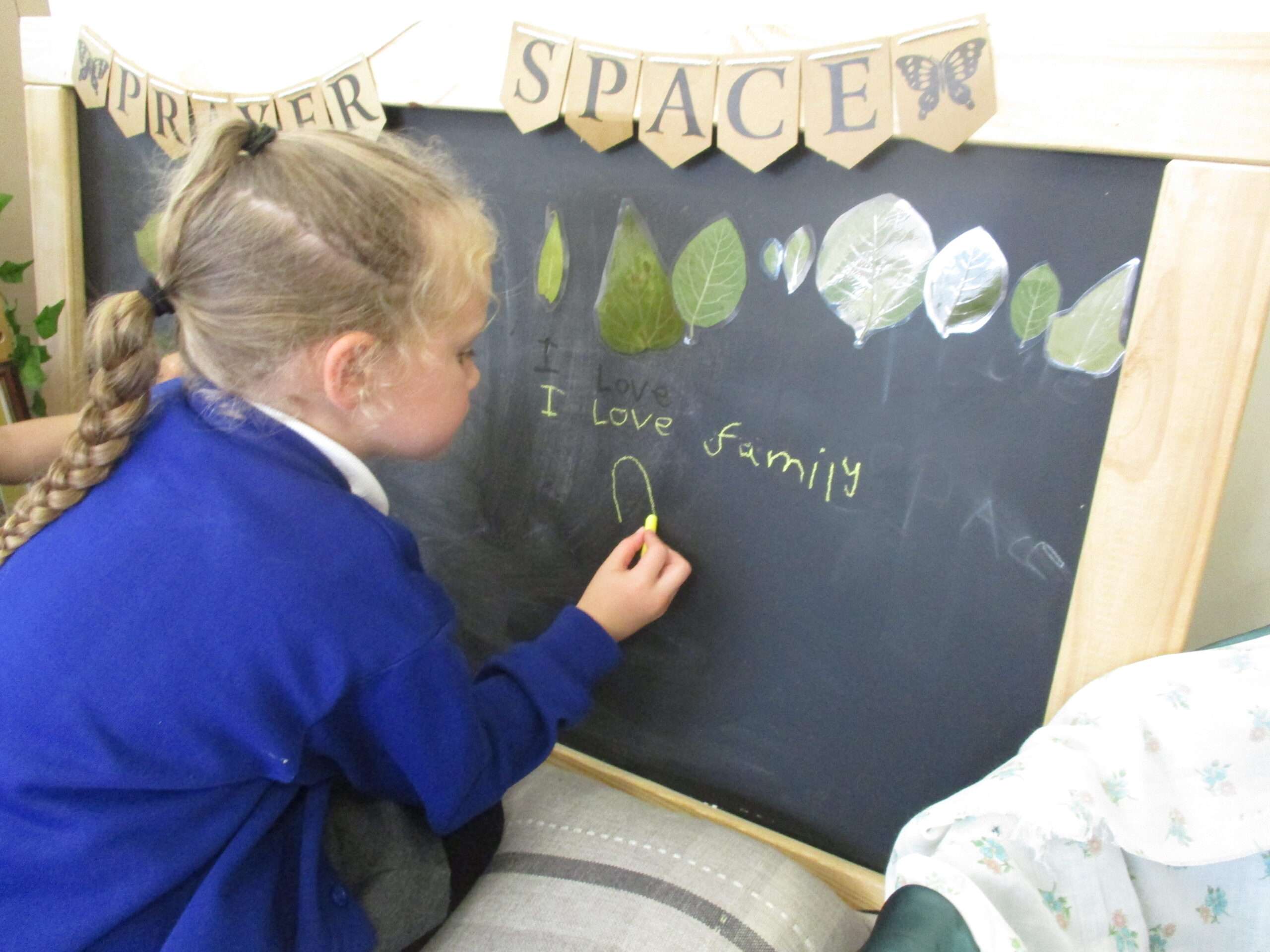
Religious Education at Sleights involves:
Dedicated curriculum time to engage in a range of purposeful learning experiences related to religions and world views.
Sequence learning experiences, which build on prior knowledge and understanding.
Developing a secure understanding of substantive knowledge related to a range of religions and traditions.
Gaining skills and knowledge about religion and non-religion views (disciplinary knowledge)
Statement of Religious Education Intent
The children at Sleights will be provided with a curriculum offer for Religious Education designed to:
- identify crucial learning, which is placed in context and connected to other knowledge.
- support children in knowing and understanding about a range of religions and worldviews.
- allow children to express ideas and insights about the nature, significance and impact of religions and worldviews.
- support children in gaining and deploying the skills needed to engage seriously with religions and worldviews.
- gain a secure understanding of a range of religions and traditions.
- support children’s acquisition and progressive understanding of substantive and disciplinary knowledge.
- build on and develop knowledge and skills related to Religious Education in a well sequenced and structured progression across their time at Sleights.
- enable children to understand a range of religions, traditions and vocabulary, which can be used widely across the planned curriculum and beyond.

Statement of Religious Education Implementation
Our approach:
The teaching sequence of Religious Education at Sleights is organised into termly or half termly units, each posing a question related to religion and religious beliefs. These units are organised in our school long term plan and are focused on one of three areas related to Religious Education. These are:
Believing: Religious beliefs, teachings, sources; questions about meaning, purpose and truth
Expressing: Religious and spiritual forms of expression; questions about identity and diversity
Living: Religious practices and ways of living; questions about values and commitments
Units selected in our long term plan are sequenced and placed to support children in building an increasing knowledge and skill base of religions, traditions and world views. Throughout their time at Sleights, children learn and revisit key elements and ideas of religions, in order to build their understanding. For example, Easter is revisited throughout year groups in school, after being introduced in Reception. Knowledge and understanding about Muslims is also developed, as children revisit and build on content first introduced in Key Stage One again during their time in Key Stage Two.
What will the children learn?
Religious Education at Sleights focuses on the aquistion of new knowledge and building on prior learning relating to three key pillars. These pillars are:
substantive knowledge – which focuses on knowledge about various religions and non-religious traditions
disciplinary knowledge (ways of knowing) – which helps children learn ‘how to know’ about religion and non-religion
personal knowledge – which focuses on building an awareness of children’s own presuppositions and values about the religious and non-religious traditions.
At Sleights, we learn about Christians, Hindus, Jewish people and Muslims. In Key Stage Two, children also learn about Humanism. The curriculum is planned following an annual review to reflect changes to class structures, as some cohorts are taught in mixed or single year groups.
Implementation of Religious Education
Religious Education is implemented at Sleights through:
- timetabled, high-quality lessons, which enable children with the time and opportunities to develop their Religious Education understanding and skills over time.
- the use of a progressive long term plan, which is organised so that children can build an increasing knowledge base of Religious Education knowledge and skills.
- a termly, or half termly focus on an enquiry question, related to Religious Education, which supports and enables children to develop a secure understanding of a range of religions and views. These questions become harder to explore and answer as children move through the school.
- ongoing opportunities to acquire and apply knowledge and skills relating to Religious Education to support children build ‘ways to know’ about religion and non-religion.
Learning in Religious Education is recorded in a variety of ways. Children enjoy a range of focused tasks, practical activities and discussions, which may be recorded in class activities or individual work books.
Religious Education Long Term Plan (2026/2027)
| Term 1 | Term 2 | Term 3 | Term 4 | Term 5 | Term 6 | |
| Reception | Being Special: Where do we belong? | Why is Christmas special for Christians? |
Why is the word God so important to Christians? |
Why is Easter special to Christmas? | What places are special and why? | What stories are special and why? |
| Year 1 | Who is a Hindu and how do they live? | Why does Christmas matter to Christians? | What can we learn from sacred books? | Why does Easter matter to Christians?
|
Who is a Muslim what do they believe? |
Who made the world? |
|
Year 2 Year 3 / 4 |
What can we learn from religions about deciding what is right and wrong? | Why are festivals important to religious communities? | What do Christians learn from the creation story? | Why are festivals important to religious communities? | What does it mean to be a humanist in Britain today? | Why is the Bible so important to Christians today? |
| Year 5 / 6 | Why do some people believe God exists? | What Kind of King is Jesus? | What matters most to Christians and Humanists? | Was Jesus the Messiah? | What can be done to reduce racism? Can religion help? | Green Religion? What do religious worldviews teach about caring for the Earth? |
Knowledge taught in Religious Education
Click the icons below to find out about the key knowledge the children learn about each religion taught at Sleights.